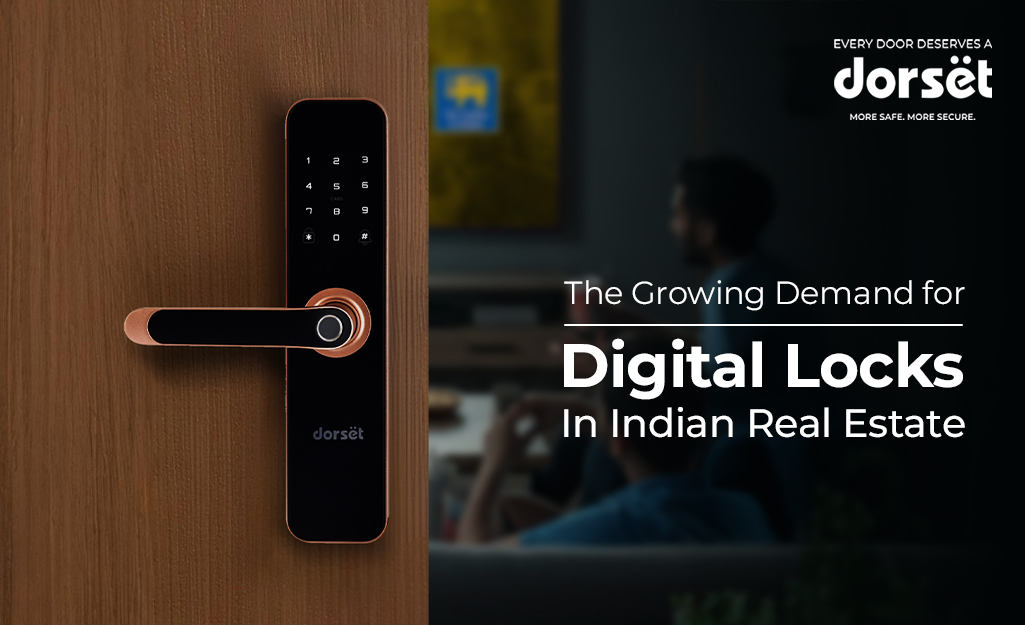
The way Indian homes are being designed and lived in is changing rapidly. From compact urban apartments to gated communities and luxury villas, homeowners today expect more from their living spaces. Security, convenience, and smart integration are becoming part of the core design conversation. One of the clearest reflections of this shift is the growing demand for digital locks across Indian real estate.
We see this change every day. Builders, architects, and homeowners are actively moving away from traditional locking systems and exploring smarter access solutions that suit modern lifestyles. Digital locks are no longer limited to premium homes or commercial spaces. They are becoming mainstream across residential projects in India.
Why Security Expectations Have Changed
Indian households today are more dynamic than ever. Families travel frequently, both for work and leisure. Homes are shared with domestic staff, tenants, guests, and service professionals. Traditional keys struggle to keep up with this reality. They get misplaced, duplicated, or passed around without control.
Digital locks address these concerns in a practical way. Fingerprint access, PIN codes, RFID cards, and mobile app control allow homeowners to decide exactly who can enter their home and when. Temporary access can be given without handing over physical keys. Entry records can be checked. Doors can be locked remotely. These features directly respond to the way people live today.
For real estate developers, this shift in mindset means that security is no longer just about a strong door and a mechanical lock. Buyers expect smarter home locks that offer both protection and control.
Digital Locks as a Design-Friendly Solution
Another reason digital locks are gaining traction in Indian real estate is design compatibility. Modern homes are increasingly being characterised by clean lines, minimal hardware clutter, and refined finishes. Bulky locking systems often disrupt the look of a well-designed main door.
Today’s digital door locks are designed to sit in seamlessly with door aesthetics. Slim profiles, premium finishes, and concealed mortise systems make them visually appealing rather than intrusive. At Dorset, we design our digital locks keeping Indian doors, materials, and design preferences in mind. This makes them suitable for apartments, villas, and even retrofit projects where maintaining visual harmony is important.
Architects appreciate this balance because it allows them to provide advanced security without compromising their design intent.
Builder and Developer Adoption Is Accelerating
One of the strongest drivers of digital lock adoption is the real estate developer community itself. Builders are increasingly including smart security features as part of standard offerings or upgrade packages. This helps differentiate projects in a competitive market.
A home that comes pre-fitted with a digital main door lock set signals modernity, safety, and long-term value. It also reduces post-handover modifications, which builders prefer to avoid.
Convenience Is a Major Buying Trigger
For homeowners, convenience is often the deciding factor. Digital door locks simplify daily routines in ways traditional locks cannot. Parents no longer worry about children losing keys. Elders find fingerprint access easier than handling small keys. Working professionals appreciate remote locking and unlocking through mobile apps.
In rental properties, digital locks eliminate the hassle of changing locks between tenants. Access can be reset digitally, saving time and cost. These everyday advantages make digital locks a logical upgrade rather than a luxury.
From our experience, once users switch to a digital door lock, they rarely want to go back to traditional systems.
Integration with Smart Homes
Indian real estate is also seeing steady growth in smart home adoption. Lighting, air conditioning, cameras, and voice assistants are becoming part of residential planning. Digital locks fit naturally into this ecosystem.
Many homeowners now expect their home locks to work with mobile apps or smart assistants like Alexa and Google Assistant. This level of integration improves both security and ease of use. At Dorset, we design digital locks that align with these expectations while keeping usability simple for Indian households.
Smart integration is especially appealing in premium and mid-premium housing segments, where buyers expect future-ready homes.
Reliability Matters More Than Features
While features attract attention, reliability ultimately drives long-term adoption. Indian conditions demand hardware that can handle humidity, dust, temperature variations, and frequent usage. A digital lock must perform consistently over years, not just look impressive on day one.
This is where build quality, strong mortise systems, dependable electronics, and after-sales support become critical. We focus heavily on durability by testing our digital locks for real-world Indian conditions. For real estate projects, this reliability reduces complaints, service calls, and long-term maintenance concerns.
Builders and homeowners alike value this assurance.
After-Sales Support Influences Buyer Confidence
As digital locks become more common, buyers are also becoming more informed. Warranty, service availability, and technical support play a major role in purchase decisions. Real estate buyers want confidence that help will be available if needed.
Through Dorset Care, we support our digital lock customers through dedicated service channels, trained technicians, and clear guidance. This becomes especially important in large housing projects where multiple users rely on the same technology.
Strong after-sales support strengthens trust in digital security solutions and encourages wider adoption across the market.
Digital Locks Are Becoming a Standard Expectation
What we are witnessing is not a passing trend. Digital locks are steadily moving from being a premium feature to an expected one. Just as modular kitchens and video door phones became standard over time, smart locking systems are following a similar path.
For Indian real estate, this evolution reflects changing lifestyles, higher security awareness, and growing comfort with technology. Developers who recognise this early gain a clear advantage. Homeowners who adopt digital door locks enjoy safer, more convenient living.
FAQs
1. Are digital locks safe for Indian homes compared to traditional locks?
Yes, digital locks offer higher control and security through fingerprints, PINs, RFID, and app access. They reduce risks related to lost or duplicated keys and allow homeowners to manage access more effectively.
2. Why are builders in India increasingly offering digital locks in new projects?
Builders use digital locks to add perceived value, modern appeal, and convenience to homes. Pre-installed smart locks help differentiate projects and reduce post-handover modifications by homeowners.
3. Are digital locks suitable for apartments, villas, and gated communities?
Yes, digital locks are widely used across apartments, villas, and gated communities. Their flexible access control works well for families, guests, domestic staff, and service personnel.
4. How useful are digital locks for homes with domestic help or tenants?
Digital locks allow homeowners to give temporary or time-based access without sharing physical keys. Access can be revoked instantly, which is especially useful in rental or shared living situations.
5. Can digital locks be integrated with smart home systems in India?
Yes, many Dorset digital locks support mobile apps and smart assistants like Alexa or Google Assistant, making them compatible with smart home setups commonly used in Indian residences.