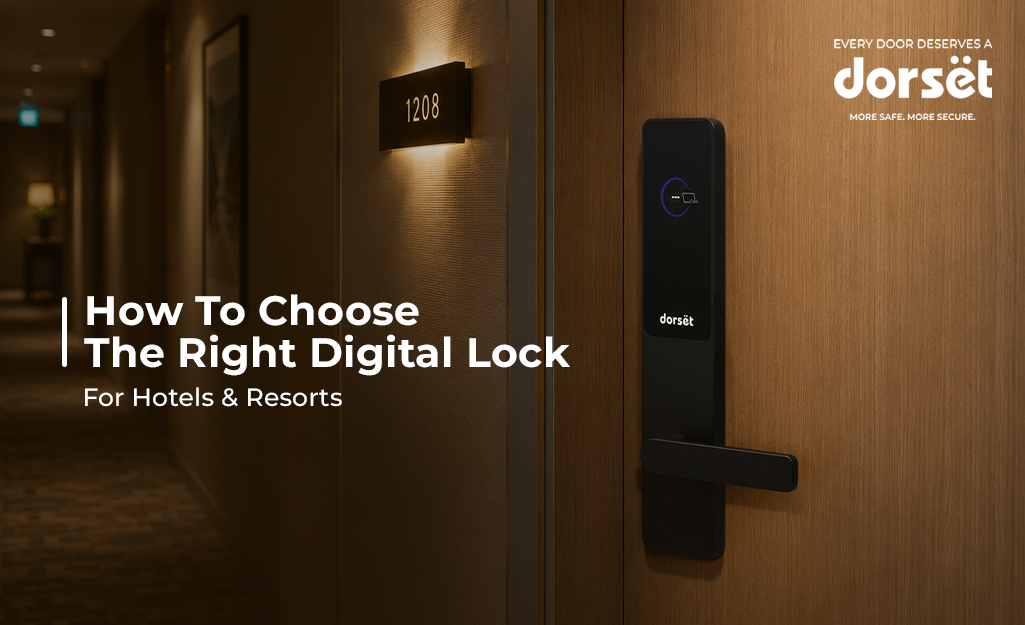
The transition from traditional, clunky metal keys to modern, sophisticated technology is no longer just a luxury upgrade, it is a fundamental operational necessity. As property managers and resort owners look to modernize their facilities, selecting the right smart lock for door infrastructure becomes the most critical decision in their technology roadmap. Choosing the correct access solution requires balancing guest convenience, staff operational efficiency, and the highest standards of security.
The Shift in Hospitality Access
For decades, the hospitality industry relied on magnetic stripe cards. While they were a step up from mechanical keys, they were prone to demagnetization, required constant replacement, and offered limited security. Today, the industry is pivoting toward the same advanced technology that has revolutionized smart locks for hotel environments.
A high quality digital Hotel lock does more than just secure a room, it provides a comprehensive management platform. When you invest in a modern electronic door lock, you are buying data, control, and peace of mind. Whether you are operating a boutique hotel in the city or sprawling resort by the beach, the ability to manage thousands of check ins and check outs remotely is what keeps your operations smooth and profitable.
Evaluating Access Methods
Different properties have different needs, and understanding the specialized hardware available is crucial to selecting the right door locking system. Dorset offers a range of professional lodging systems designed to integrate seamlessly into a hotel’s ecosystem:
- Signature Series: This collection represents a blend of aesthetic elegance and high-tech security, making it an ideal choice for luxury properties looking to provide a premium guest experience.
- Trilliom: Engineered for robust performance and seamless integration, the Trilliom series ensures long-term reliability even in high-traffic environments.
These systems utilize RFID (Radio Frequency Identification) technology, which employs electromagnetic fields to automatically identify and track credentials via the Mi Fare Card. Unlike older methods, this offers a far more stable and secure connection. Furthermore, tools like the Data Retriever and Card Reader Encoder allow management to maintain full oversight of room access and card programming from a centralized location.
Compatibility and Retrofitting
If you are renovating an existing property, retrofitting is a significant concern. You don’t want to replace your entire door just to accommodate a new smart lock.
Many manufacturers now offer retrofit solutions that utilize the existing holes from your current door lock system. This is a massive cost saver for resorts that have hundreds of doors. However, you must carefully check the backset and the door thickness before finalizing your order. A digital door lock that doesn’t fit your door’s structural dimensions will be a waste of investment.
When shopping, look for manufacturers who provide detailed compatibility templates. A smart lock for door assembly must be installed with precision. Even a millimeter of misalignment can cause the motor to strain, leading to faster battery drainage and a higher rate of mechanical failure.
Security Protocols and Cybersecurity
In the digital age, cybersecurity is just as important as physical security. A digital door lock connected to the internet must be secure against digital intrusion. When you review product specifications, look for hardware that uses bank-grade encryption for all wireless communications.
Furthermore, ensure that your door lock system allows for an "Audit Trail." This is essential for liability. If an incident occurs, you need to know exactly whose credential was used to enter the room.Using a specialized Data Card or Software Flash Drive, management can extract detailed entry logs. A reliable smart lock keeps a timestamped log of every single entry and exit, which should be a non-negotiable requirement for any resort manager
Emergency Protocols
Even the most advanced smart lock can face power issues. Whether it’s a building-wide power failure or a dead battery, your property needs a failsafe.
- Mechanical Override: Always ensure your electronic door lock has a hidden, high security mechanical keyway. In an emergency, staff must be able to override the system physically.
- External Power Terminals: Look for units that feature 9V battery contacts on the exterior. This allows staff to jump start a dead lock from outside without having to drill into the door.
- Fail Safe Latches: In the event of a fire or critical system failure, the door lock system should be programmed to automatically unlock or remain unlockable from the inside for safety reasons.
Finalising Your Decision
The transition to digital access is inevitable. Choosing the right smart lock for door hardware is a balancing act between the convenience for guests and the efficiency for your staff. By choosing a system that prioritizes reliability, security, and integration, you are elevating the entire standard of your property. The technology that has made smart locks for home units so popular is now the backbone of modern hospitality. Embrace it, research your options carefully, and ensure that your property is ready for the future of travel.
FAQs
1. How do hotels manage the battery life of hundreds of electronic door locks?
Modern systems feature robust software that monitors the battery level of every single lock in the building in real-time. Maintenance staff receive automated alerts when a specific electronic door lock requires a battery change, allowing them to proactively swap batteries before the unit fails.
2. Is a fingerprint door lock suitable for a standard hotel room?
While fingerprint door lock technology offers a premium feel for luxury suites, it is often less practical for standard hotel rooms due to hygiene concerns and the time it takes to register guest fingerprints. For general guest rooms, RFID cards or mobile-key integrations are typically preferred for their speed and ease of use.
3. What happens if the hotel Wi-Fi goes down? Will the smart locks still work?
Reliable hotel-grade systems are designed to function independently of the central network. The access credentials are stored locally on the lock or the local controller. Even if the internet connection is interrupted, the door lock system will continue to recognize authorized cards or PIN codes, ensuring that guests are never locked out of their rooms.
4. Can a smart lock for doors be integrated with existing property management software?
Yes, leading access control systems are designed to communicate directly with major PMS platforms. This integration allows for the automatic generation of digital keys or PIN codes during the booking process, streamlining the check-in experience and reducing the workload on front-desk staff.
5. How secure is a keypad lock compared to a traditional key?
A keypad lock is significantly more secure than a traditional mechanical key. While physical keys can be copied or lost without the staff knowing, a digital code can be unique to every guest and set to expire automatically at checkout. Furthermore, the system records an audit trail, providing a clear log of every time the code is used to enter the room.