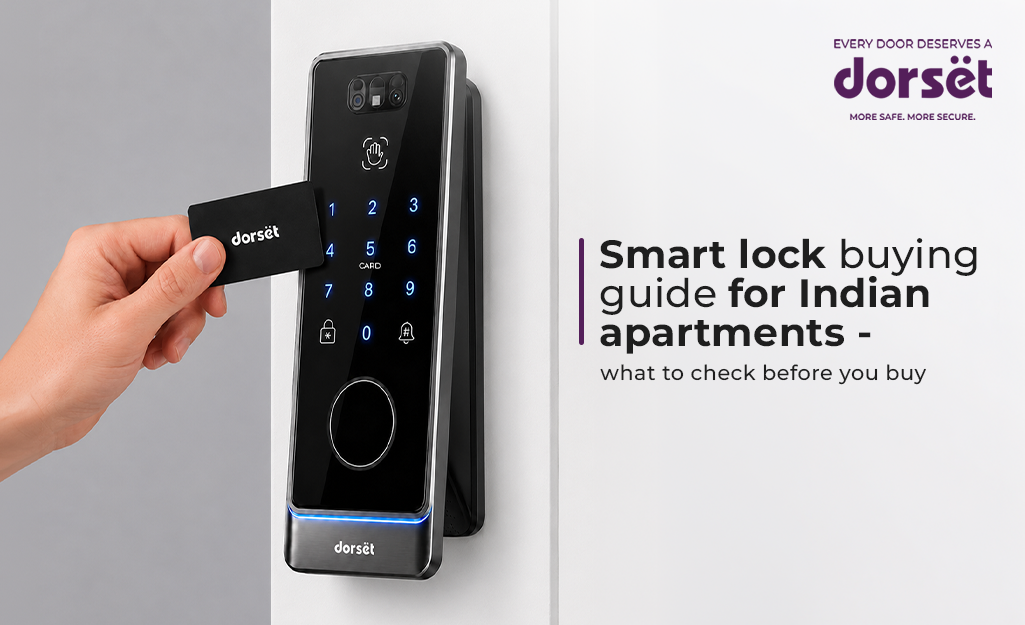
The modern Indian apartment is rapidly evolving. As technology permeates every corner of our daily lives, it is only natural that the threshold of our homes should receive a technological upgrade. Knowing when to upgrade your door lock and move away from mechanical keys has become a practical, security conscious decision for residents.. However, navigating the market for the right smart locks for home security can be overwhelming given the sheer variety of options available.
Understanding the Terminology
Before diving into features, it is important to clarify the terminology. While these terms are often used interchangeably, understanding the nuances will help you make a better choice.
A smart lock generally refers to a device that connects to your home network, allowing for remote access via an app. An electronic door lock is a broader term encompassing any lock that uses electricity to operate, which may or may not include advanced Wi-Fi or Bluetooth connectivity. When builders and security professionals discuss a door lock system, they are usually referring to the entire hardware assembly, including the bolt, the strike plate, and the electronic brain that manages entry.
When browsing digital lock for door solutions, you will encounter various access methods:
- PIN Access: You can issue a unique PIN to each visitor, which can be changed or deleted as needed.
- Biometric Access: A biometric lock for door units uses your physical characteristics to grant access.
- Remote Access: Remote Access allows you to open your door from anywhere, provided your smart lock has a stable internet connection.
Lock companies such as Doreset’s digital solution collection offer a variety of digital access locks such as keypad, biometric, F-Lux to keep your home secure.
Key Features
India presents unique challenges for electronic hardware. Humidity, dust, and temperature fluctuations are real factors that affect device longevity. Here’s what you need to prioritise:
- Robust Weather Resistance: Look for hardware with an IP rating. A higher IP rating ensures that your electronic door lock is shielded against dust ingress and moisture, preventing internal corrosion.
- The Biometric Advantage: Look for capacitive or optical sensors that are designed to handle slightly damp or dusty fingers. A high-quality fingerprint door lock should be able to authenticate you in less than a second.
- Emergency Backup Protocols: Most reliable digital locks for door options come with two essential emergency features: a mechanical override key and an external power terminal to jump-start the lock from the outside.
Installation Compatibility
The biggest mistake homeowners make is buying a digital door lock without measuring their current door specifications. Most apartments in India feature heavy-duty wooden doors, often with existing mortise pockets. Before you purchase any smart lock, you must measure:
- Door Thickness: Most standard smart door locks are built for doors between 35mm and 60mm.
- Backset: The distance from the edge of the door to the center of the handle hole.
- Existing Cutout: If you are replacing a manual keypad lock or standard handle,check if the new device covers the existing holes or you will need to get the door polished/refinished.
Security Beyond the Digital: Why You Still Need a Keypad Lock
While we love the idea of app-based entry, the keypad lock remains one of the most reliable features for rental properties and family homes. Why? Because it works when the internet goes down, when your phone battery is dead, and when guests arrive who don't have access to your mobile app.
A high-quality electronic door lock with a backlit keypad ensures you can enter your passcode even at night in a dimly lit apartment hallway. If you are choosing a fingerprint door lock, ensure it has a keypad backup. The best digital locks for door configurations offer "multi-factor authentication" options, where you can require both a fingerprint scan and a PIN code for maximum security. This is often available in high-end models of a biometric lock for door assembly, providing an extra layer of peace of mind.
Keeping Your Lock in Prime Condition
A smart lock is a piece of precision engineering. To ensure it lasts for years, follow these simple maintenance tips:
- Battery Management: For proper battery management, most manufacturers recommend changing all batteries at once. Using a mix of old and new batteries, or different brands can lead to uneven voltage and device errors.
- Sensor Care: If you have a fingerprint door lock, wipe the scanner with a soft, dry cloth every few weeks. Dust build up can interfere with the scanner’s ability to read your prints.
- Firmware Update: If your digital door lock supports app connectivity, check for firmware updates occasionally. These updates often contain critical security patches that keep your home safe from digital threats.
- Hardware Alignment: Every six months, perform a physical check. Make sure the door closes effortlessly without having you push or pull it for the latch to engage.
Final Buying Checklist
Before you hit buy on your chosen digital door lock, run through this checklist one last time: access methods, compatibility, integration, power, and warranty. By selecting a well vetted smart lock, you’re not just securing your door, you are choosing convenience, auditability, and a modern lifestyle. As you research the best digital locks options for your specific needs, remember that the goal of any door lock system is to make your life simpler and your home safer.
FAQs
1. What advantages do fingerprint door locks offer over traditional mechanical keys?
Fingerprint door locks eliminate the need for physical keys, thereby removing risks related to loss or unauthorized duplication. They provide fast, secure access through biometric verification, adding a layer of convenience to daily entry.
2. How does the door lock system function during a power failure?
Most electronic door locks are equipped with emergency power options, such as external USB ports or 9V battery terminals, allowing for a temporary jump-start to regain access. A physical override key also serves as a reliable secondary backup method.
3. Does the installation of a smart lock for home require professional assistance?
While some setups may be manageable, professional installation is highly recommended to ensure precise alignment between the bolt and the strike plate. Proper hardware alignment is essential to prevent motor strain and ensure the longevity of the device.
4. Why is the IP rating an important consideration for smart locks in apartment hallways?
Apartment corridors often expose hardware to environmental elements like dust and humidity. A higher IP (Ingress Protection) rating indicates better resistance to these factors, preventing internal corrosion and maintaining the durability of the digital door lock.
5. Is integration possible between a biometric lock for doors and existing smart home automation systems?
Yes, many smart locks support connectivity via protocols such as Zigbee, Z-Wave, or Wi-Fi, allowing integration with broader home automation ecosystems. This connectivity can trigger automated scenes, such as lighting adjustments, upon successful authentication at the entry point.